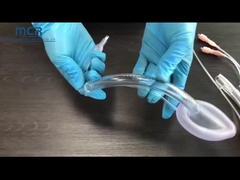
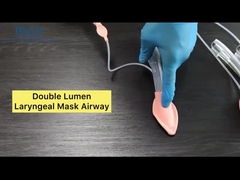
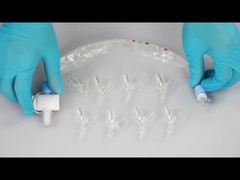
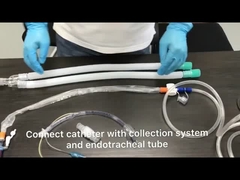
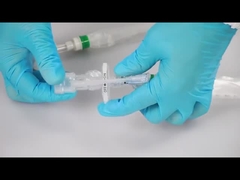
Brief: Watch as we walk through the full process, from initial setup to real-world testing of the Endotracheal tube with Softer Tip and Ultra-thin PU Cuff. This video demonstrates how the softer tip facilitates smoother insertion while minimizing tracheal trauma, and showcases the ultra-thin cuff's low-pressure sealing performance. You'll see the reverted cuff assembly in action, effectively managing secretions to help reduce VAP risk during prolonged ventilation.
Related Product Features:
A softer tip design significantly reduces the risk of tracheal trauma during intubation.
Ultra-thin 0.01mm PU cuff operates at lower pressures while maintaining a high-volume seal.
Reverted cuff assembly positions the suction opening closest to the subglottic area.
Enhanced secretion removal helps reduce the risk of Ventilator-Associated Pneumonia (VAP).
Low-pressure, high-volume seal minimizes tracheal damage and improves patient comfort.
Available in multiple sizes to suit various patient needs and clinical requirements.
Optimized design for safer and more comfortable prolonged ventilation procedures.
Combines trauma reduction with effective secretion management in one integrated solution.
คำถามที่พบบ่อย:
How does the softer tip design improve intubation safety?
The softer tip significantly reduces the risk of tracheal trauma during intubation, allowing for smoother and safer insertion into the patient's airway.
What are the benefits of the ultra-thin PU cuff?
The ultra-thin 0.01mm PU cuff operates at lower pressures while maintaining a higher volume seal, minimizing tracheal damage and dramatically improving patient comfort during prolonged ventilation.
How does the reverted cuff design help prevent VAP?
The unique reverted cuff assembly positions the suction opening closest to the subglottic area, enhancing effective removal of secretions above the cuff to help reduce the risk of Ventilator-Associated Pneumonia.
Is this endotracheal tube available in different sizes?
Yes, the endotracheal tube is available in multiple sizes to suit various patient needs and clinical requirements for different age groups and anatomical variations.